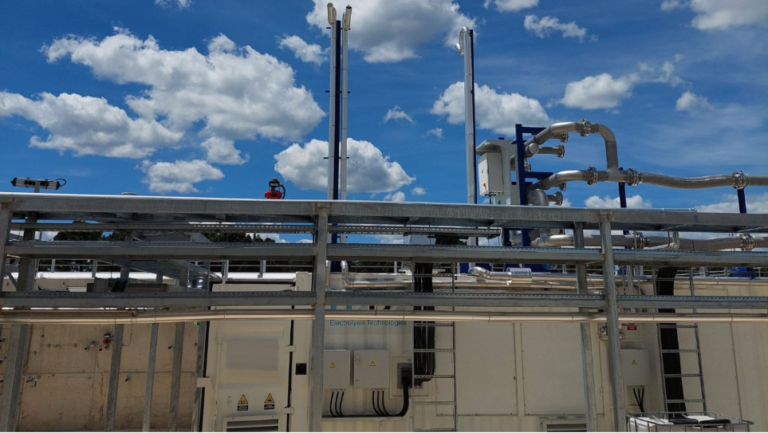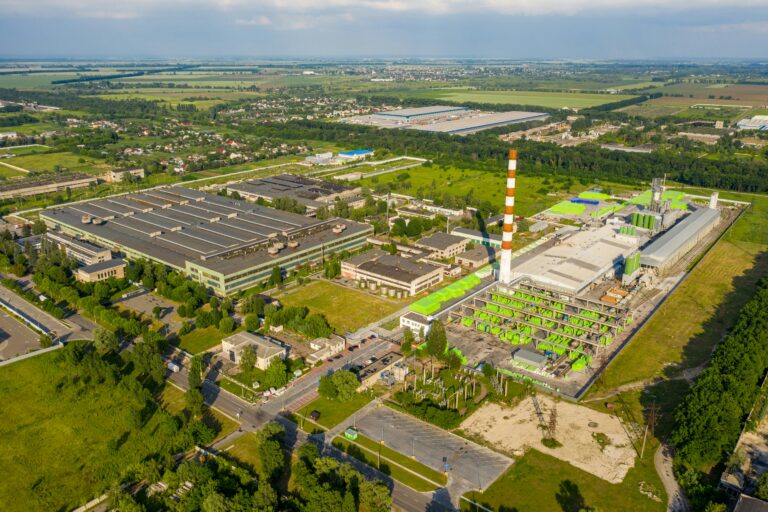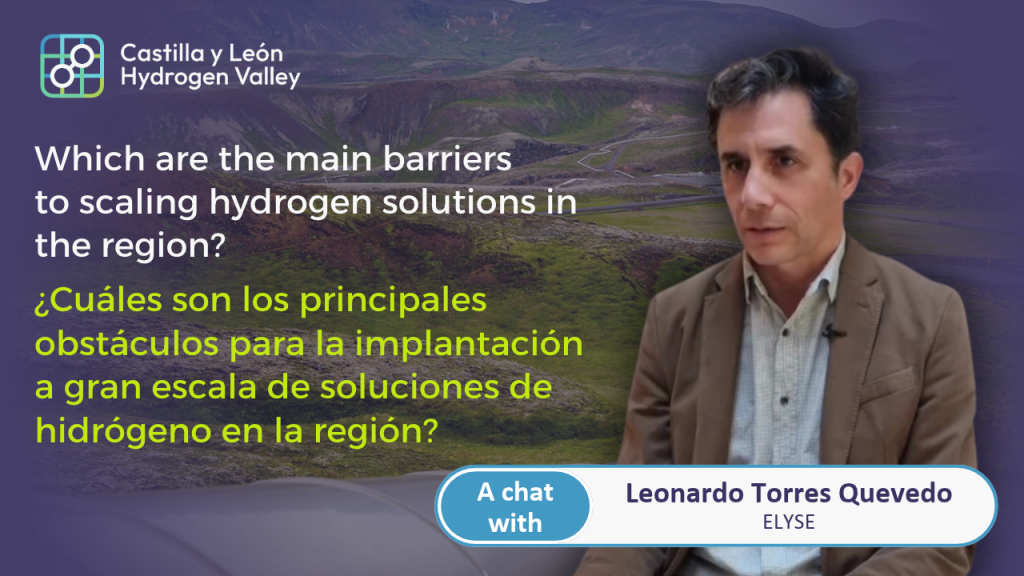
Soria has the lowest population density in Spain. It is also where one of the valley’s renewable hydrogen projects is taking shape. How to take that project from a first plant to wider replication is the focus of our latest video interview with Leonardo Torres, eMethanol Program Director for Iberia at Elyse Energy.
Barrier one: power on the grid
Producing hydrogen at industrial scale uses large amounts of electricity, and the Spanish grid has little to spare. Growing the project will mean reinforcing the network and adding connections in industrial estates.
“In Spain, there is very little available capacity, and these projects are very electricity-intensive.”
Barrier two: rules that must line up
The second challenge is regulatory. To be certified as renewable under EU rules, the plant’s product must meet three conditions at the same time. The electricity must come from additional renewable sources. Hydrogen production must be matched in time with power generation. And the energy must be sourced locally, with no purchases from outside Spain. Meeting all three in a chemical plant whose equipment runs at high temperatures and pressures takes extra effort.
The opportunity: jobs that keep talent at home
The interview also looks at the project’s value for the territory. In a province facing significant depopulation, skilled jobs in a growing sector could give young people a reason to stay:
“This project can help to retain young people by providing high-quality, technology-driven jobs with a very, very bright future.”
Local businesses also stand to benefit, because they can develop the project together with the promoters. The goal, in Torres’ words, is a project developed “by making the most of all the talent and resources available in the province”.
Update: fast-track status for the Garray pilot
Since this interview was recorded, the project has taken an important step forward. In October 2026, the Regional Government of Castilla y León (Junta de Castilla y León) declared eM-Numancia, Elyse Energy’s green methanol project at the PEMA business park in Garray (Soria), a Priority Industrial Project for 2026–2030.
The new status shortens the regional side of the process. All regional administrative procedures linked to the project are treated as urgent, which halves the ordinary statutory deadlines, and coordination with other administrations is ensured. It does not change the EU certification rules or the grid capacity issues Torres described, but it gives the project a faster route through regional permitting.
The figures also bear out the opportunity Torres pointed to. The project foresees around 260 direct and 640 indirect jobs during construction, and at least 50 direct and around 125 indirect jobs once in operation, mostly in highly qualified technical roles. In return, Elyse Energy commits to starting works within one year and to maintaining its investment and employment commitments for at least five years after 2030.