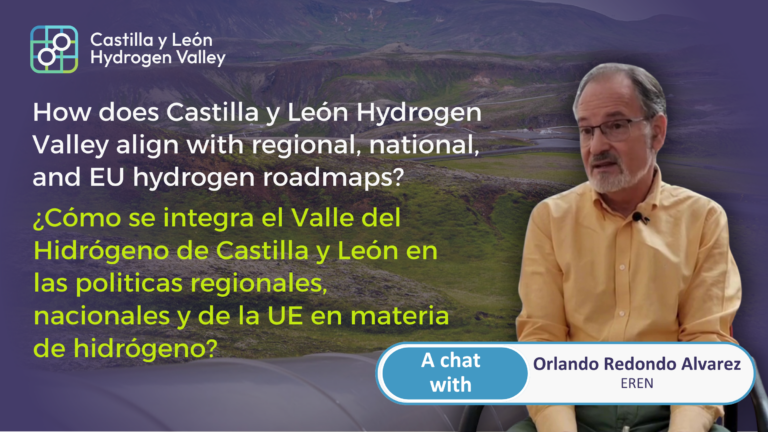
In June 2026, our project partner Lhyfe held a new webinar of the Learning Capsules series, dedicated to the role of digital tools across the hydrogen value chain. Speakers from European institutions, technology providers, and project developers presented their platforms and discussed how digitalisation can make hydrogen deployment both more efficient and more compliant.
A broad toolkit, from monitoring to certification
The session covered different digital applications, reflecting the diversity of challenges that hydrogen valley developers face. It opened with a keynote by Clément Gerthoffert (European Commission – DG Energy) presenting the EU Hydrogen Mechanism, a platform designed to improve transparency and facilitate matchmaking between hydrogen producers and offtakers, a first step toward more structured market coordination at the European level.
The presentations that followed spanned the full operational spectrum:
MagView (Théa Lancien, Madic) is a cloud-based platform for real-time monitoring and predictive maintenance of hydrogen refuelling stations, already planned for deployment in Burgos. Modelica-based simulation tools (Nick Pilot, EPRI) support techno-economic optimisation of hydrogen systems, helping designers assess different operational strategies and their impact on sizing and costs. TwinRev (Vasilis Michalakopoulos, ICCS) is a digital twin deployed in the Crete Hydrogen Valley, integrating renewable energy, grid data, and energy communities into a single operational and forecasting platform. Harmony (Anthony Mouraud, Lhyfe) addresses the operational complexity of hydrogen production and supply chains, coordinating scheduling, logistics, and contractual constraints in real time.
The second part of the session focused on planning, certification, and market tools. H2Territory (Alberto Herranz Gracia, Fundación Hidrógeno Aragón) supports the simulation and techno-economic analysis of hydrogen valley configurations, including replication studies. Atmen’s certification platform (Flore de Durfort) automates the data collection and traceability processes required for RFNBO compliance, reducing the risks of manual handling in an increasingly demanding regulatory environment. Finally, H2 Digital’s AI-driven platform (David Schwarz) combines market intelligence and demand forecasting to support infrastructure planning and stakeholder matchmaking.
Data as infrastructure
Every presentation came back to data. Beyond its day-to-day operational role, it has become a structural requirement for hydrogen valley development. Real-time monitoring and data integration were identified as critical to improving system efficiency, reducing downtime, and enabling proactive maintenance.
Certification requirements, particularly regarding Renewable Fuels of Non-Biological Origin (RFNBO), add another layer of complexity, since demonstrating compliance demands robust traceability and documentation. Participants noted that well-designed digital tools can substantially reduce this burden, turning a regulatory constraint into a manageable workflow.
A fragmented landscape in need of connection
Perhaps the most candid observation of the session concerned the current state of the digital ecosystem itself. The variety of tools available today is wide, but they largely operate in silos. Interoperability between platforms remains limited, and the lack of standardisation makes it difficult to build coherent digital architectures across the value chain.
This fragmentation reflects a sector that has grown quickly and in parallel across different geographies and use cases, rather than one struggling to mature. The next step, connecting these tools into more integrated, interoperable systems, was identified as a shared priority.
Digitalisation as a structural enabler
The session made a broader point: digitalisation has become one of the structural pillars of hydrogen valley development, well beyond any add-on role. The tools exist, the use cases are real, and the benefits in planning, operations, and compliance are already being demonstrated. What is needed now is greater coordination on standards, data sharing protocols, and on how projects across Europe can learn from each other’s digital architectures rather than starting from scratch each time.
Keep updated
This Learning Capsule confirmed that the digital dimension of hydrogen valleys deserves dedicated attention and that the community is ready to engage with it seriously.
The CyLH2 Valley will continue the Learning Capsules series in the coming months, providing partners with further opportunities to exchange knowledge and accelerate the deployment of hydrogen solutions across the region.
Stay updated via our website and follow the project’s social media channels!
Photo credits: Jakub Żerdzicki on Unsplash