Article by Cornelia Trefflich
From gas to green: HEAVENN’s hydrogen experiment in the northern Netherlands
For decades, the northern Netherlands was the heart of European natural gas production, bringing jobs, infrastructure and expertise to the region. But with the gradual closure of Groningen, Europe‘s largest gas field, looming, the area had to reinvent itself. Conditions were favourable: offshore and onshore wind farms and solar installations were already in place, alongside gas infrastructure that could be repurposed.
“Groningen was the biggest natural gas field of Europe. It had all the jobs and the infrastructure and the expertise, and a lot of money came in through natural gas, and now we would be missing out on it,” recalls Geerte de Jong, project manager at HEAVENN.
Recognising the potential, the EU funded Europe‘s first “Hydrogen Valley” in the Netherlands in 2020, backed by €20 million from the Horizon 2020 programme – and supplemented by €70 to €80 million in public-private co-financing.
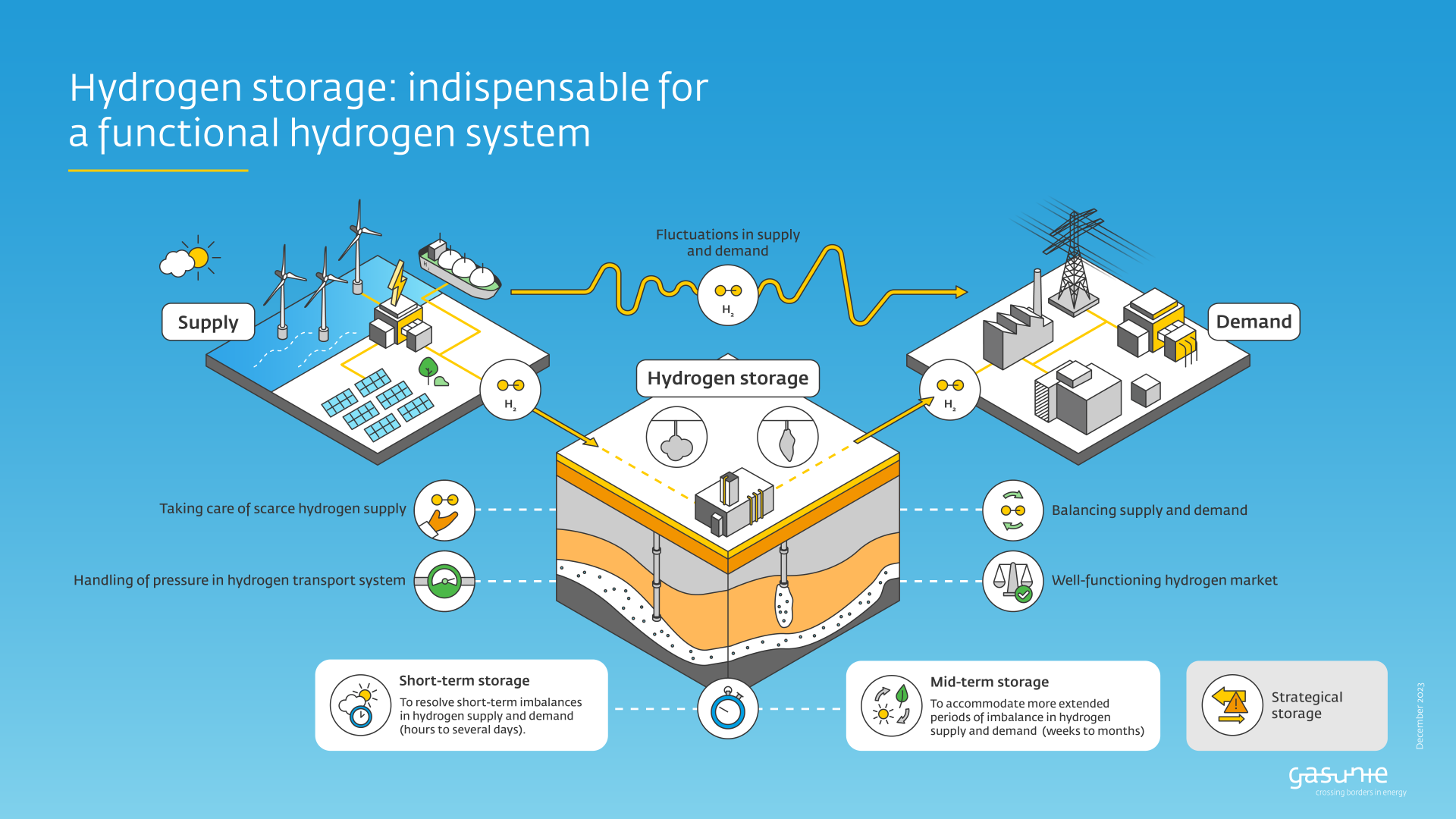
HEAVENN – short for “Hydrogen Energy Applications in Valley Environments for Northern Netherlands” – aimed to show that the entire hydrogen value chain – production, storage, transport and end-use – can be integrated within a single regional ecosystem, serving as a blueprint for Europe. “We are the original hydrogen valley, the earliest, and that‘s why it‘s the pioneering valley,” de Jong says.
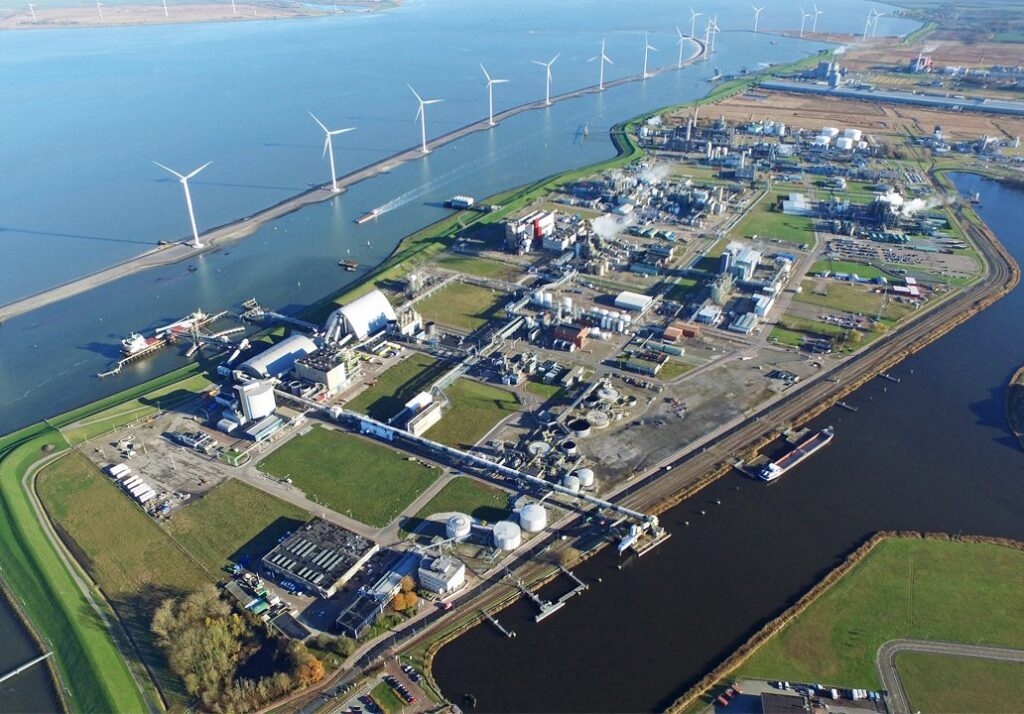
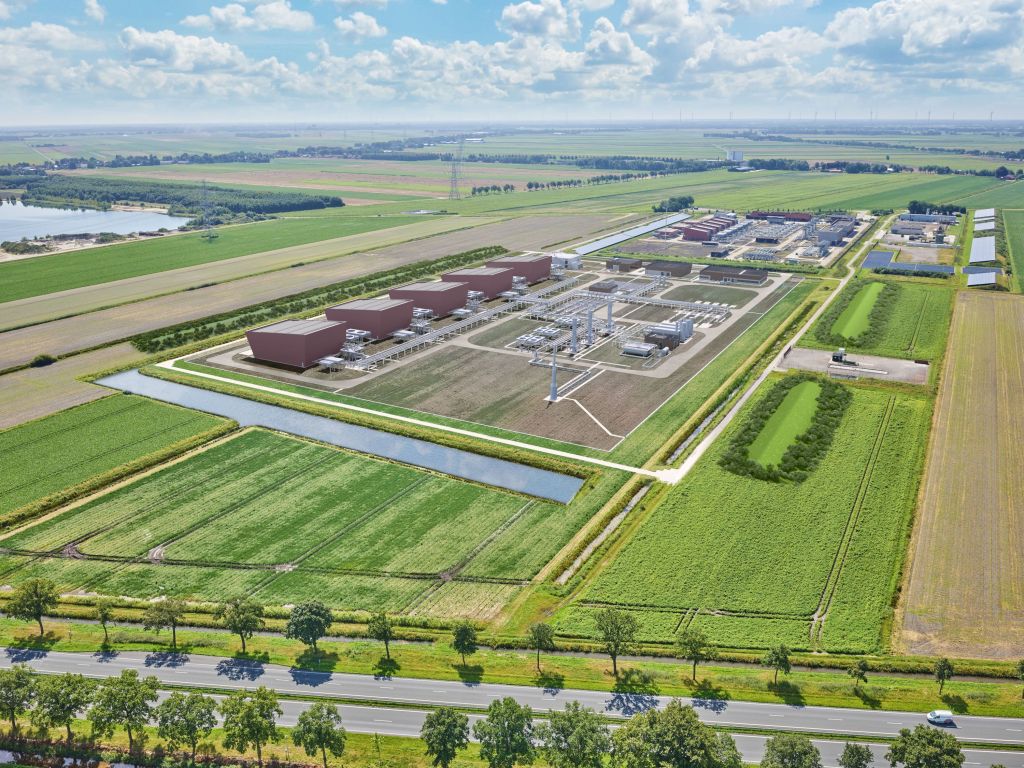
The project centres on four clusters: the Eemshaven port area, the Emmen industrial park, and two thematic clusters focused on mobility and the built environment. After six years de Jong offers a mixed review: storage and end-use are working well, but transport and production lag behind. “The end-users are for the most part operating quite well – but the hydrogen production is extremely late,” she says. Mobility, by contrast, is a clear success: “It‘s easier to purchase a vehicle than build a factory. […] I would say all of mobility […] they‘re all done.”
Hydrogen valleys: work in progress
HEAVENN’s main contribution, however, lies in knowledge transfer. “The blueprint for Europe – I think it’s not always a literal one. It’s more of an information exchange,” de Jong explains. The Clean Hydrogen Partnership now counts more than 100 Hydrogen Valleys globally, many of which have drawn on HEAVENN’s insights, even if there is rarely a “one size fits all” solution.
“These first attempts are necessary, even if not all hydrogen valleys will have a future. It is like when 30 years ago solar energy came out – it was expensive, complex and not efficient to begin with. Today, Europe faces a historic decision: either to continue supporting the development of the hydrogen sector and maintain its energy and technological sovereignty, or to cede leadership to other countries, as happened with solar energy,” notes Alberto Soraci, technologist at AREA Science Park in Trieste, Italy, involved in the North Adriatic Hydrogen Valley and coordinator of the North Adriatic Smart Communities Hydrogen Accelerator.
The concept extends well beyond regional energy initiatives, as shown by BalticSeaH2, named best European Hydrogen Valley by the Clean Hydrogen Partnership in 2025.
Crossing borders: BalticSeaH2‘s plan
Jatta Jussila, CEO of CLIC Innovation Oy and Project Coordinator of BalticSeaH2, explains the vision behind one of the field’s most ambitious initiatives, which aims to move toward a full hydrogen economy: “Hydrogen is not just an energy carrier. It’s also a material that is used in several industries, for example in the fertilizer industry, or as a feedstock. When we talk about a full hydrogen economy, it encompasses both hydrogen’s role as an energy carrier and its value as a material. And it actually serves as an enabler for a full sustainability transition across industries.”
The project is also defined by its international scope. “We have taken this cross-border approach – the hydrogen economy will be an international business. To build something in silos, in really regional small blocks, will not advance the entire economy,” Jussila says.
Two years in, the project has its first successes. The first production plant in Harjavalta is now online, generating 3,000 tons of green hydrogen annually, with a target of 60,000 tons by the project’s end. The rapid progress was possible because the Baltic region already had a highly decarbonised electricity market and relatively low power prices –
a factor that favours hydrogen production.
Castile and León: local aspiration, regional transformation
Hydrogen Valleys are not necessarily in competition; the focus is on mutual learning and networking. This is evident in Castile and León, in the heart of Spain, where a Hydrogen Valley is being developed for entirely different reasons.
“Our region is one of the largest in Europe and actually one of the most depopulated ones. We have a lot of available land […]. And also, we are in the middle of Spain. That means that we are in the middle of the main hydrogen corridors that are supposed to be implemented by 2030 – approximately all the hydrogen produced in Spain and exported to the rest of Europe will pass through our region,” explains Ismael Lozano Gabarre of the CARTIF Technology Centre and coordinator of the Castilla y León Hydrogen Valley (CyLH2Valley), a project co-funded by the Clean Hydrogen Partnership.
The CyLH2Valley spans eleven pilot plants across the mobility, energy and industrial sectors, covering production, distribution and end-use. Two plants produce green hydrogen directly, while two others use it to make derivatives such as methanol and ammonia – the latter mainly benefiting agriculture. “One of the most important sectors in the region is agriculture – and agriculture needs fertilizers. One of the main components is ammonia. And green ammonia uses green hydrogen,” Lozano Gabarre explains. In Burgos, green hydrogen will power public transit and fuel-cell trucks, with plans to supply a hospital and an aluminium factory with a natural gas-hydrogen blend.
With 36 partners – 27 of them Spanish, mostly local – and €19.5 million in EU funding, CyLH2 is deeply rooted in the region. Total investment exceeds €400 million, targeting more than 19,000 tons of green hydrogen per year. Calling the project a “pilot” is a matter of perspective: “We call them pilots but they are real applications in the industry,” Lozano Gabarre notes. The ultimate aim is to create durable, high-quality local jobs: “We are losing population year by year. One option to get them here is implementing these kinds of plants with real jobs – quality jobs.”
The project is expected to create up to 2,000 jobs – across the entire spectrum of skills and qualifications. “The plants will need people with a high level of education for the designing – but also people to operate and maintain them. The establishment of this new economy will suppose a lot of people involved, that could come from more traditional sectors and will need education and training”, says Lozano Gabarre. For this region – losing people to bigger urban centres in the country – this is an opportunity to reverse the trend.
Furthermore, the ambition goes beyond Castile and León: “In Spain, only one region – on the island of Mallorca – has implemented a similar project. We can be an example for other regions to implement this kind of ecosystem and to accelerate the implementation of hydrogen”, concludes Lozano Gabarre.
Does Europe’s hydrogen potential remain untapped?
Whether that vision becomes reality depends on broader European policy. The obstacles are virtually identical everywhere – price, regulation and demand – as is the difficulty of aligning political will with all three.
According to the 2025 IEA Global Hydrogen Review, the price gap between low-emission and fossil-based hydrogen remains a major barrier, a point experts confirm. “Nowadays hydrogen is more expensive than the competitor, which is usually natural gas. So only the people who are […] willing to reduce their emissions are implementing hydrogen. Or they are obliged by some regulation,” says Lozano Gabarre. Soraci agrees: “At the moment it’s the price gap that is the main obstacle – and then the regulatory. We don’t even have a standardized approach on how to deal with hydrogen at European level.”
Two regulations are central: the Renewable Energy Directive (RED III) and the new Emissions Trading System 2 (EU-ETS2). The latter aims to raise the cost of fossil-fuel heating and transport but will not fully take effect until 2028, while RED III must be transposed into national law – a process facing delays. This uncertainty stalls investment, de Jong confirms:
“Entrepreneurs say: I need to make 100% sure that the regulation is going to be acted on […]. To not have enough clarity leads to inaction.”
Regulatory clarity could stimulate the demand needed to build hydrogen ecosystems, but geopolitical crises complicate long-term decisions further. “Getting rid of uncertainty and creating strong demand signals in all end-use sectors would be something that is needed for the private sector to make their investment decisions. That’s partly in the hands of the EU – but partly in the hands of those driving geopolitical uncertainty,” Jussila says.
Still, Soraci urges stakeholders not to give up too soon: “You are going to climb the hill. If at a certain moment you are close to the top and you stop […], you will fall down. You need to reach the top and then things will be easier.”
Whether or not hydrogen valleys can become the backbone of Europe’s energy transition ultimately depends on closing the gap between legislation and its implementation. Without the necessary political support, there is a risk of stagnation just as the technology reaches maturity.
Photo credits: Heavenn. Courtesy: Hystock, Delfzijl, Emmenindustry